




Tasmania is the one and only island state of Australia, encapsulating 67,800 square kilometres and housing over 507,600 people. The Bass Strait is to the North, Tasman Sea to the East and the Southern Ocean to the South. The capital is Hobart which is well worth a visit.
There are plenty of National Parks all over Tasmania, offering fabulous scenery, great walking trails and various outdoor activities. Waterfalls are also popular in Tasmania, including the beautiful Russell Falls.
In South Tasmania a visit to the Southwest National Park, the largest National Park in Tasmania is recommended. This National Park is great for walking and appreciating nature with a number of endangered and rare plants and spectacular waterfalls awaiting discovery.
Also in the South is Bruny Island which is made of two parts, North Bruny Island and South Bruny Island, connected by an isthmus. A ferry service from Kettering, roughly a 40 minute drive south from Hobart is reasonably priced.
East Tasmania offers pretty beaches, the states capital city, Hobart and plenty more. If you like history, Port Arthur, is an interesting place to visit. The Tasman Peninsula offers unusual rock formations, nice walks and the Tasman National Park.
Further North is Swansea with historical buildings and beautiful scenery and views towards Freycinet Peninsula which can be reached by boat. Further North again is Bicheno, a nice fishing town where diving is popular and fresh fish can be bought at the harbour.
Tasmania's North Coast offers spectacular landscape and coastal areas. There are some great inland towns and a number of rivers to be explored. The North Coast is home to the popular port Devonport where you will find some great museums and galleries.
The third oldest city in Australia (and the second oldest in Tasmania) is Launceston.
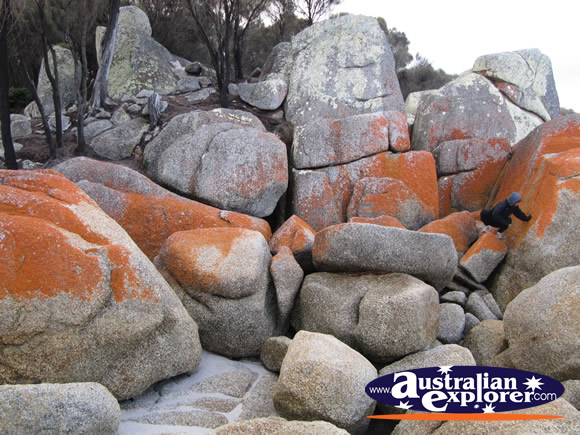 The beautiful natural surrounds of Mt William National Park are popular destination for visitors of Tasmania. Mt William itself is 216 metres tall and home to much wildlife including the Forester Kangaroo; which is now protected within the park.
On the eastern edge of the national park, between Eddystone Point and Binalong Bay is the Bay of Fires. Growing increasingly popular with visitors, Bay of Fires is home to beautiful blue water, red rocks, and white beaches with fishing, diving and walking being popular activities in the area.
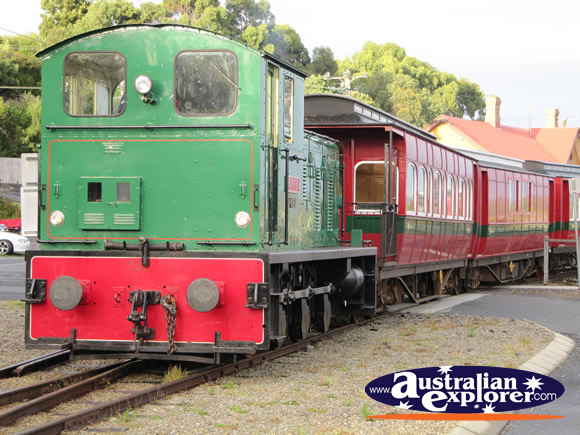 The west coast of Tasmania has many popular destinations to visit. For those that like the idea of a picturesque holiday town situated on a quite bay with the feel of the distant pioneering days,Strahan is your place.
A trip on the West Coast Wilderness Railway for the nostalgic, or a cruise on the Gordon River for a relaxing take on the local area, are just some of the options available in Strahan.
A Little History
Being an island meant that Tasmania, like mainland Australia, was an ideal location for penal settlement. Of course, there was more than enough room on the mainland to accommodate convicts but those who reoffended on the mainland where shipped across to Tasmania.
Abel Tasman, as the name suggests, was the first European to see Tasmania in 1642. The Dutch navigator originally named the island Van Diemen's Land in honour of the governor of the Dutch East Indies.
During the eighteenth century several sailors visited Tasmania and left believing it to be part of the mainland. Captain James Cook and William Bligh where amongst those explorers. It wasn't until 1798 that Lieutenant Mathew Flinders circumnavigated Van Diemen's Land and proved it to be an island. In doing so Flinders shortened the journey time from Sydney to India by discovering the Bass Strait (named after the ships surgeon, George Bass); an area formerly considered dry land. Approximately a week was now cut from journey times.
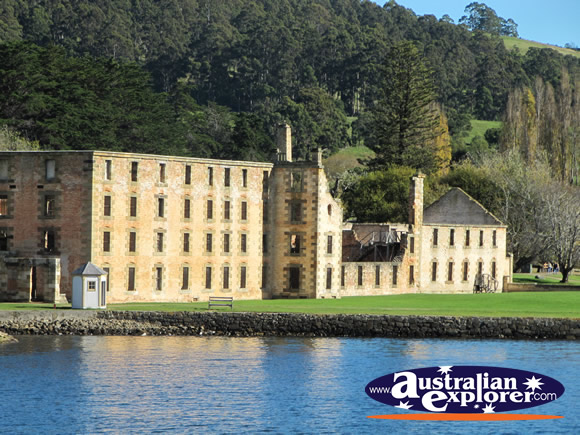 The decision to establish a second colony in Australia in the late 1790's led to a settlement being established near the Derwent River in Tasmania. It was called Hobart Town and was established in 1804.
Some convicts were amongst the first settlers but it was not until later that penal settlements where built. The first was Marquarie Harbour in 1821, next was Maria Island in 1825 and Port Arthur in 1832.
At the time it was the most feared destination for the convicts of Britain. However, in 1856 transportation was ceased and the first parliament elected.
This was also the year the name was changed to Tasmania in an attempt to lessen it's reputation as being a penal settlement.
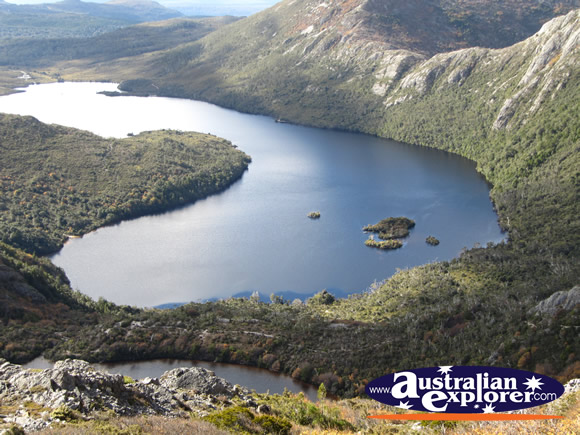
Points of Interest
The Overland Track
Situated in Tasmania and consisting of Cradle Mountain, glacial lakes and windswept plains.
Southwest National ParkSouthwest National Park hosts some fabulous rainforest and landscape scenery as well as the fabulous South Coast Track
Tasmania Facts
* Tasmania Area: 68,401 square kilometres
* Tasmania Capital: Hobart
TAS, TAS Accommodation
Top Tasmania Destinations
| Central Tasmania |
East Coast |
Hobart |
| Islands |
North Coast |
South Coast |
| West Coast |
Other Tasmania Destinations
| SHARE with |  |
 |


